



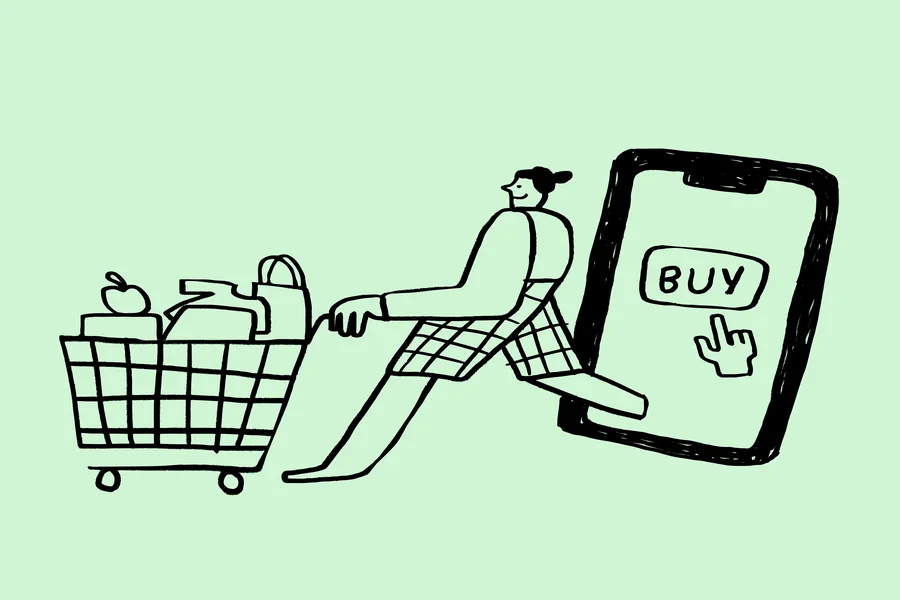
Cart abandonment is one of the most persistent challenges in e-commerce. Even when customers show strong intent by adding products to their cart, a significant portion leave without completing the purchase. While reasons vary, one of the most influential and often underestimated factors is delivery.
Shipping costs, delivery speed, and lack of clear fulfillment information all play a major role in whether a customer decides to complete an order. Improving delivery options is one of the most effective ways to reduce cart abandonment and increase conversion rates.
Why Delivery Impacts Purchase Decisions
Customers are highly sensitive to delivery details during checkout. At this stage, they are no longer browsing—they are deciding whether the purchase is worth completing. If delivery expectations are unclear or unsatisfactory, hesitation increases.
Unexpected shipping costs are one of the top reasons for cart abandonment. When customers see additional fees added at checkout, it can feel like the total price is higher than expected. Similarly, slow delivery times or vague shipping estimates can cause uncertainty, leading customers to reconsider their purchase.
In many cases, customers abandon their carts not because they don’t want the product, but because the delivery experience feels inconvenient or unreliable.
Offering Transparent Shipping Costs
Transparency is essential in reducing friction during checkout. Customers prefer to know the total cost of their order early in the buying process. If shipping fees are only revealed at the final step, it creates frustration and increases the likelihood of abandonment.
One effective approach is to display estimated shipping costs on product pages or early in the checkout process. Some businesses also offer free shipping thresholds, encouraging customers to add more items to qualify for free delivery.
Clear and upfront pricing builds trust and helps customers make confident purchasing decisions.
Speed as a Conversion Driver
Delivery speed is another critical factor influencing cart abandonment. Modern customers are accustomed to fast shipping, and long delivery times can discourage purchases even if the product is appealing.
Offering multiple delivery speed options can significantly improve conversion rates. For example, providing standard, express, and next-day delivery allows customers to choose based on urgency and budget.
Faster delivery options not only reduce abandonment but can also increase average order value, as customers are often willing to pay more for quicker shipping.
Improving Checkout Experience with Clear Delivery Information
Uncertainty is a major cause of hesitation during checkout. If customers are unsure when their order will arrive, they are more likely to abandon the purchase.
Providing clear delivery estimates helps reduce this uncertainty. Instead of vague timelines like “3–7 business days,” more precise messaging such as “Delivery by Tuesday” creates confidence and urgency.
Real-time delivery tracking expectations can also be communicated before purchase, helping customers understand exactly what to expect after placing an order.
The Role of Reliable Fulfillment in Reducing Abandonment
Behind every delivery promise is a fulfillment system. If fulfillment is slow or inconsistent, even the best delivery promises cannot be met.
This is where modern logistics infrastructure becomes important. Businesses that invest in strong operational networks can offer more accurate and competitive delivery options, especially when leveraging e-commerce fulfillment Europe to shorten transit times and improve cross-border reliability. As a result, customers are more likely to complete purchases when they trust that delivery expectations will be met.
This leads to more predictable checkout experiences, which directly reduces cart abandonment.
Offering Flexible Delivery Options
Different customers have different expectations. Some prioritize speed, while others prefer lower costs. Providing flexibility helps reduce friction at checkout.
Common options include:
- Standard delivery for cost-conscious customers
- Express delivery for urgent purchases
- Same-day or next-day delivery in selected regions
- Click-and-collect or local pickup options
By giving customers control over delivery choices, businesses reduce the likelihood that shipping limitations will become a barrier to purchase.
Reducing Friction Through Free Shipping Strategies
Free shipping remains one of the most powerful tools for reducing cart abandonment. Even when product prices are slightly higher, customers often prefer listings that include free delivery.
Businesses can implement free shipping in several ways:
- Minimum order thresholds
- Product bundling strategies
- Loyalty or membership programs
These approaches not only reduce abandonment but can also increase order value and customer retention.
Using Delivery as a Trust Signal
Delivery is not just a logistical detail—it is a trust signal. Customers associate fast, reliable shipping with professionalism and brand credibility.
If a store consistently delivers on time, customers are more likely to return and complete future purchases without hesitation. On the other hand, inconsistent delivery experiences increase uncertainty and reduce trust, which contributes to higher abandonment rates over time.
Mobile Optimization and Delivery Clarity
A large portion of cart abandonment happens on mobile devices. Smaller screens and limited attention spans make clarity even more important.
Delivery information should be easy to understand and visible without excessive scrolling. Confusing layouts or hidden shipping details can increase drop-offs during checkout.
Simplifying the delivery selection process and ensuring clear messaging improves mobile conversion rates significantly.
Conclusion
Cart abandonment is often seen as a pricing or UX problem, but delivery plays a central role in purchase decisions. Hidden costs, slow shipping, and unclear fulfillment expectations all contribute to lost sales.
By improving transparency, offering flexible delivery options, and investing in reliable fulfillment systems, e-commerce businesses can significantly reduce abandonment rates.
In a competitive online market, delivery is no longer just a backend operation—it is a key part of the customer experience. Businesses that treat it as a strategic advantage are far more likely to convert hesitant shoppers into loyal customers.