



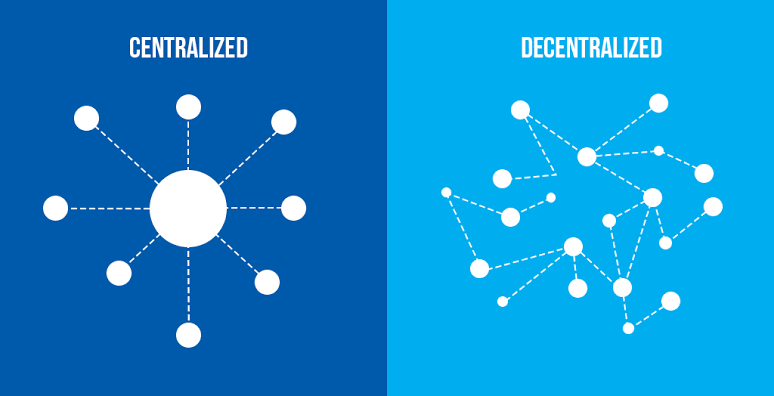
The landscape of digital infrastructure is quickly evolving from centralized systems to more distributed architectures. In the past, system designs often depended on single points of authority to oversee data verification, processing, and storage. Nowadays, decentralized technologies are demonstrating that cryptographic validation and peer-to-peer networks can effectively manage complex transactions without the need for intermediaries. This significant shift is evident in areas like data processing, predictive modeling, and digital entertainment. For instance, when users seek out a secure bnb casino, they’re looking for a gaming experience that’s not only autonomous but also provably fair, all thanks to smart contracts. By cutting out the middleman, these networks enhance operational transparency and offer users mathematical certainty instead of relying on institutional trust.
The Pillars of Decentralized Architecture
To really grasp how decentralized applications function in the real world, we need to dive into the foundational layers that make them tick. Unlike traditional servers that keep data locked away in a centralized cloud, decentralized networks spread the processing power across hundreds or even thousands of independent nodes.
At the heart of this shift are three key components:
- Distributed Ledgers: Think of this as an unchangeable record where transactions are logged in order and verified by the consensus of the network, rather than relying on a single central authority.
- Smart Contracts: These are lines of code that execute themselves, with the terms of the agreement embedded right into the protocol. They automatically trigger certain actions when specific conditions are met.
- Cryptographic Consensus Mechanisms: Protocols like Proof of Stake (PoS) or Proof of History (PoH) ensure that everyone involved agrees on the current state of the ledger, all without needing a central validator.
This fundamental change is boosting modern applications, from data modeling tools to consumer platforms like the sevenbit casino, which uses cryptographic proofing to guarantee that game results are completely untampered with and can be verified by anyone.
Real-World Applications Across Core Industries
What started as theoretical concepts in computer science has now evolved into decentralized frameworks that are streamlining operations across various major sectors.
Predictive Data Science and Statistical Modeling
In areas like computational statistics, decentralized technologies are bringing fresh approaches to handling datasets from multiple sources. In the past, gathering sensitive data for statistical regression meant relying on a trusted central repository, which came with significant privacy concerns.
Thanks to decentralized federated learning, data scientists can now train intricate models across a network of distributed devices. Each node works with its local dataset and only shares the resulting model coefficients, keeping the raw data completely secure. This way, we can build a strong, collective analytical framework without compromising individual data points.
Decentralized Finance (DeFi) and Global Micro-Payments
Traditional cross-border banking systems depend on corresponding networks, which often lead to hefty fees and days of waiting for transactions to settle. In contrast, decentralized networks enable value to be transferred globally in just seconds for mere fractions of a cent.
[User Initiates Transfer] ➔ [Smart Contract Verifies Balances] ➔ [Network Consensus Achieved] ➔ [Instant Global Settlement]
By eliminating the need for banking clearhouses, decentralized payment systems open up access to capital for everyone. This paves the way for automated micro-lending and programmatic liquidity pools that can operate around the clock without any downtime.
Technical Comparison: Centralized vs. Decentralized Systems
To highlight the trade-offs between traditional infrastructure and modern distributed systems, let’s take a look at the operational metrics below:
| Operational Metric | Centralized Architecture | Decentralized Architecture |
| Data Ownership | Controlled entirely by the hosting platform or enterprise. | Maintained by the individual user through private cryptographic keys. |
| System Security | Vulnerable to single-point-of-failure cyberattacks. | High resilience; altering data requires controlling the majority of network nodes. |
| Transaction Processing | Managed via traditional banking hours and localized clearinghouses. | Executed 24/7 globally via programmatic smart contract logic. |
| Auditability | Internal databases require third-party auditing firms to verify. | Fully transparent; open-source ledgers allow real-time public verification. |
Tackling Bottlenecks on the Road to Widespread Adoption
Even with its vast potential, decentralized infrastructure encounters specific technical and societal challenges that engineering teams are diligently working to overcome.
The Scalability Trilemma
One of the ongoing challenges in decentralized design is finding the right balance between security, decentralization, and scalability. In the early days, networks often prioritized security at the expense of speed. Thankfully, today’s layer-2 scaling solutions, such as rollups and state channels, tackle this issue by processing thousands of transactions off-chain and then settling them all at once on the main secure ledger.
User Experience and Key Management
For many everyday users who aren’t tech-savvy, handling raw cryptographic private keys can feel overwhelming. If someone loses their seed phrase, they risk losing access to their assets or data forever. To help with this, developers are rolling out Account Abstraction (AA). This innovative technical standard allows users to benefit from the security of decentralized systems while still using familiar recovery methods, like biometrics and social recovery options.


