
In today’s digital-first world, visual identity is no longer a luxury it’s a necessity. Whether you’re launching a grassroots initiative, building a startup, or sharing ideas online, how you present yourself visually can shape how others perceive and engage with your work. Traditionally, creating a logo or brand identity required time, design skills, and often a decent budget. But the rise of artificial intelligence is rapidly changing that landscape, making high-quality design accessible to virtually anyone.
The Rise of AI in Creative Design
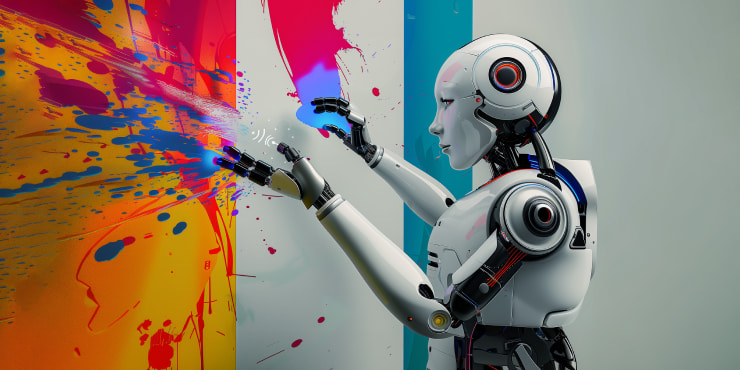
Artificial intelligence has quietly moved from a futuristic concept into an everyday tool that’s reshaping how we create. From writing assistance to image generation, AI is empowering people to produce professional-grade content without years of training. One of the most exciting areas where this shift is happening is in logo design.
If you’ve ever struggled to translate your vision into a visual identity, you’re not alone. Many people have ideas but lack the technical skills to execute them. That’s where tools like AI logo generators come in. They bridge the gap between imagination and execution, allowing users to generate unique, polished designs in minutes.
Why Visual Identity Matters More Than Ever
Think about the last time you came across a project, campaign, or organization online. Chances are, the logo was one of the first things you noticed. It sets the tone, communicates values, and creates a memorable impression.
A strong visual identity can:
- Build trust and credibility
- Differentiate you from others
- Make your work more shareable
- Help audiences instantly recognize your message
For creators, activists, and innovators alike, this is powerful. It means your ideas can travel further and resonate more deeply.
Real-World Impact: From Ideas to Recognition
Consider a small community group trying to raise awareness about environmental issues. With limited resources, hiring a professional designer might not be feasible. In the past, this could result in inconsistent or low-quality visuals that fail to capture attention.
Now, with AI-powered tools, that same group can create a cohesive and professional-looking brand identity in a matter of hours. This not only boosts their visibility but also increases the likelihood that people will take their message seriously.
Similarly, independent creators writers, developers, educators are using AI design tools to establish a recognizable presence online. It’s not just about aesthetics; it’s about clarity and connection.
How AI Simplifies the Design Process
One of the biggest advantages of AI in design is its ability to streamline complex processes. Instead of starting from scratch, users can input basic information like their project name, style preferences, or color choices and receive multiple design options instantly.
Here’s how it typically works:
- Input your project name or concept
- Choose a style (modern, minimal, bold, etc.)
- Customize colors, fonts, and icons
- Download and use your design immediately
This removes the intimidation factor from design and opens the door for more people to express themselves visually.
Tips for Creating a Strong AI-Generated Logo
While AI does most of the heavy lifting, your input still matters. Here are some practical tips to get the best results:
1. Be clear about your message
Before generating a logo, think about what you want it to communicate. Is your tone serious, playful, innovative, or traditional?
2. Keep it simple
The most effective logos are often the simplest. Avoid clutter and focus on clarity.
3. Choose colors intentionally
Colors evoke emotions. For example, blue can signal trust, while green often represents growth or sustainability.
4. Test different variations
Don’t settle on the first option. Explore multiple versions and see what resonates best.
5. Think long-term
Your logo should be versatile enough to work across different platforms websites, social media, print, and more.
The Democratization of Creativity
What’s happening here is bigger than just design it’s the democratization of creativity. AI is lowering barriers and giving more people the tools they need to bring their ideas to life. This is especially important for communities and individuals who may not have had access to traditional resources.
It also encourages experimentation. When the cost of trying something new is low, people are more willing to explore, iterate, and innovate. That’s where truly original ideas often emerge.
Conclusion: A New Era of Expression
We’re entering a time where creativity is no longer limited by skill level or budget. AI is not replacing human imagination it’s amplifying it. By making design more accessible, it allows more voices to be seen and heard.
Whether you’re starting a project, building a brand, or simply exploring your creative side, embracing these tools can open up new possibilities. The future of design is not just in the hands of professionals it’s in the hands of anyone with an idea.